



How to Run a Charity Golf Tournament: A Complete Guide
Charity golf tournaments raise hundreds of millions of dollars annually for nonprofits, schools, and community organizations — and they do it by combining donor goodwill with an experience people genuinely enjoy. But the gap between a well-run event and a frustrating one comes down almost entirely to planning. This guide covers the full process: how far out to start, how to structure sponsorships, how to choose a format, what player gifts actually get kept, and the seven mistakes that undermine most first-year events. The fundamentals apply whether you're organizing a 36-player local fundraiser or a 144-player signature event.
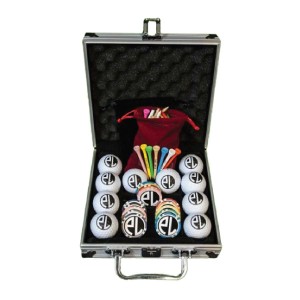
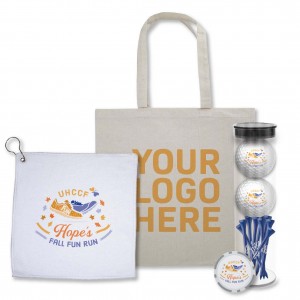
Custom Made Golf Events has supplied branded tournament products to charity golf events for over 40 years — including logo golf balls, custom tees, poker chip ball markers, divot tools, golf towels, swag bags, and tournament packs. All products are printed in-house in New York and New Jersey, with free logo setup, a free virtual proof on every order, and production in 5–10 business days. Minimums start at 50–100 pieces.
Planning Timeline: When to Start and What to Do
The most common reason charity golf tournaments underperform is starting too late. Courses book out months in advance. Corporate sponsors allocate budgets early in the year. Players commit to competing events if registration opens too close to your date. Six to nine months is the minimum planning window for a well-run event.
Secure your course first — popular venues fill Friday and Saturday dates months in advance, especially from May through October. Confirm the date, shotgun start availability, course capacity, and any venue exclusivity restrictions on catering or alcohol. Set your fundraising goal before anything else: it determines every downstream pricing and sponsorship decision.
- Select your format (four-person scramble is standard for charity events)
- Establish a planning committee of 4–6 dedicated volunteers
- Confirm 501(c)(3) status if tax-deductible donations matter to your sponsor pool
- Build a preliminary budget using conservative revenue assumptions
Registration should open at least four months before the event. Early registration gives you cash flow and confirmed player counts to plan around. Sponsor outreach begins now — most companies with dedicated philanthropy or marketing budgets allocate that budget in Q4 for the following year. Late outreach gets polite declines.
- Launch your event registration page with full pricing, format, and gift details
- Send sponsorship packages to your top 20 target companies first
- Begin hole sponsor outreach — these are the fastest and easiest sells
- Announce the event to your existing donor and player database
This is when everything players will interact with on the day gets locked in — player gifts, on-course games, prizes, catering, and scoring. Custom golf accessories require production time plus artwork approval before your order ships. Ordering 6–8 weeks out eliminates deadline pressure and gives you time to correct any proof issues.
- Confirm catering: on-course beverages, lunch, and post-round reception
- Order all branded player gifts — allow 4–6 weeks from order to event date. Most items ship in 5–10 business days; Titleist balls need 3–4 weeks
- Finalize on-course games and confirm hole-in-one insurance if applicable
- Confirm auction and raffle items
- Assign specific volunteer roles for the day of the event
Send confirmation emails to all registered players with start time, check-in instructions, parking, dress code, and cart assignments. Confirm final player counts with the course. Create a day-of run sheet that accounts for every hour from setup through teardown, and brief each volunteer on their specific role.
Have pre-printed cart assignment sheets with each player's name and team. Stage player gifts at cart stations or in welcome bags before check-in opens. Assign someone to manage registration from the moment the course opens. Brief your rules at the first tee before shotgun start: ready golf, preferred lies, and a two-putt maximum are all appropriate for charity events and keep pace manageable.
Choosing a Tournament Format
The format you choose affects pace of play, inclusivity, and how much non-golfers enjoy the day. For charity events, one format dominates for good reason.
| Format | How It Works | Best For | Notes |
|---|---|---|---|
| Four-Person Scramble | All four players hit each shot; team plays from the best position until the hole is completed. | Nearly all charity events | Most inclusive format — poor golfers contribute and enjoy themselves. Keeps pace fast. Strongly recommended as the default. |
| Best Ball (Four-Ball) | Each player plays their own ball; lowest individual score on each hole counts for the team. | Experienced golfer groups | Slower and harder on weaker players. Better suited to events where golf quality matters more than participation. |
| Shamble | Scramble off the tee (best drive selected), then each player plays their own ball from that point. | Mixed skill groups wanting more individual play | A good middle ground — faster than best ball, more competitive than a full scramble. |
| Shotgun Start | All groups begin simultaneously from different holes across the course. | Any event with 8+ groups (32+ players) | A logistics format, not a scoring format. Essential for large events — keeps round time predictable and gets everyone to the reception at the same time. |
| Stroke Play | Individual total strokes over 18 holes. | Competitive member events only | Not appropriate for charity events with mixed-skill players. Slow, exclusionary to beginners, and undermines the social atmosphere. |
Revenue Strategy: Four Streams to Build In
Events that rely on registration fees alone consistently underperform their fundraising goals. A well-structured charity golf tournament generates revenue from four distinct sources simultaneously.
Player Registration
Typically $100–$350 per player depending on course quality, meal inclusion, and your donor demographic. Include green fees, cart, lunch, and player gift in the base price — this is a selling point, not just a cost. Charity golfers expect to pay above market rate; that's part of the giving. Offer individual entry and foursome packages.
Hole Sponsorships
18 holes at $500–$1,500 each = $9,000–$27,000 in potential revenue from your easiest sell. Companies receive a branded sign at their hole and recognition in the program. Offer exclusivity per hole to increase value. Add-on: allow hole sponsors to set up a staffed table, which increases sponsor engagement and the perceived value of the package.
Title & Major Sponsorships
A title sponsorship ($5,000–$25,000+) gives a company naming rights, logo on all materials, speaking time at the reception, and complimentary foursomes. Requires a compelling sponsorship deck and early outreach. Even one title sponsor can exceed your entire registration revenue. Major sponsors at $2,500–$7,500 round out the tier structure.
On-Course Games, Auction & Raffle
Closest to the pin and longest drive ($10–$25/player) are pure profit with minimal cost. Mulligans sold at registration ($5–$10 each) are an easy add. A hole-in-one contest with insurance adds a headline prize at low risk. A silent auction during the reception and a raffle with desirable prizes (golf rounds, travel, gear) typically add 10–20% to net revenue.
Sample Budget: 72-Player Event at a Semi-Private Course
| Item | Estimated Cost | Notes |
|---|---|---|
| Green Fees + Carts | $8,000–$15,000 | Most courses offer 10–20% nonprofit discounts. Always ask directly. |
| Catering (lunch + reception) | $3,500–$7,000 | $50–$100 per player all-in. On-course beverage carts can be revenue-positive. |
| Player Gifts | $1,500–$5,000 | $20–$70 per player. Sponsor co-branding on items can offset a portion of this cost. |
| Prizes (net of insurance) | $500–$2,000 | Solicited prize donations reduce cash outlay. Hole-in-one insurance: from ~$200 for a standard event, increasing with prize value and player count. |
| Marketing & Signage | $300–$800 | Digital-first approach cuts this significantly. Hole signs, banners, and programs are the main print costs. |
| Miscellaneous | $500–$1,000 | Registration software, scoring app, name tags, contingency fund. |
| Total Expenses | ~$14,000–$29,000 | Varies by market, course quality, and player gift tier selected. |
Building a Sponsorship Structure That Sells
Most charity golf tournaments leave significant sponsorship revenue on the table. The packages are generic, tiers aren't meaningfully differentiated, and outreach starts too late. Here's how to build a structure that converts.
- Tournament named after sponsor (e.g., "The Acme Classic for [Cause]")
- Logo on all marketing, signage, digital, and printed materials
- 2–4 complimentary foursomes included
- Speaking opportunity at post-round reception
- Exclusive — only one title sponsor per event
- Social media recognition before, during, and after the event
- Logo on event banner and reception signage
- 1–2 complimentary foursomes included
- Hole sponsorship included at this tier
- Recognition in post-event communications to all attendees
- Cap at 3–4 sponsors — scarcity increases perceived value
- Branded sign at a designated hole
- Name and logo in the event program
- Optional staffed table at the hole adds significant perceived value
- Up to 18 available — first-come basis creates natural urgency
- Named sponsor of closest to pin, longest drive, or hole-in-one contest
- Signage at the contest hole
- Recognition during awards ceremony
- Good entry point for companies not ready to commit to a full hole
The most effective sponsorship decks lead with impact metrics — funds raised in prior years, player count, demographic breakdown, and cause description — before listing sponsor benefits. Companies respond to audience and alignment, not just logo placements. Show them who will see their brand and how the funds will be used.
Player Gifts: What to Include at Each Budget Level
The player gift is one of the most-discussed aspects of any golf tournament — players compare notes and organizers are remembered by what was in the bag. The principle is simple: every item should either be used on the course that day or kept afterward. Items that meet neither criteria belong out of the bag.
All branded items require artwork approval before production. Budget 4–6 weeks between your order and event date. Minimum order quantities for most custom golf accessories are 50–100 pieces — enough for a standard 72-player event with extras for committee members and hole sponsors.
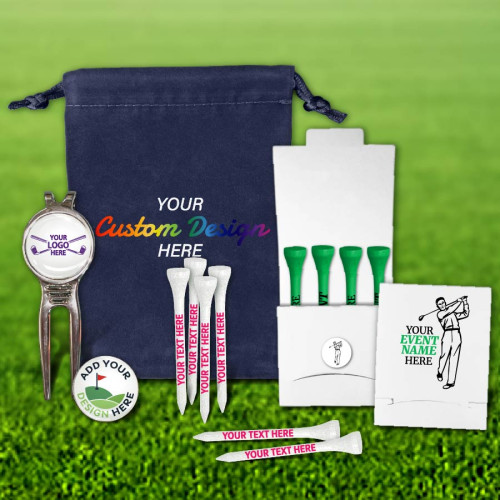
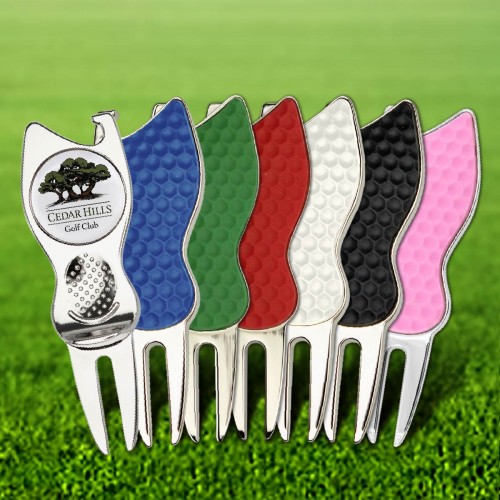
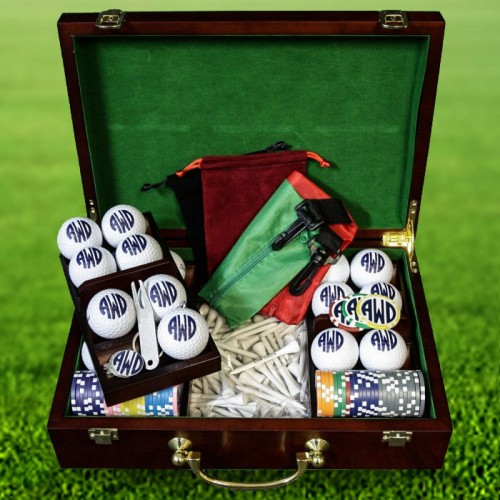
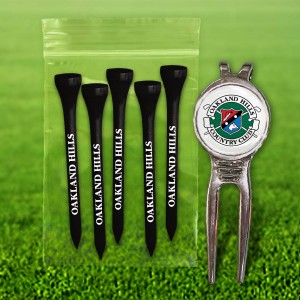
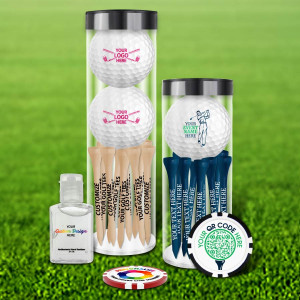
- Golf tournament pack — tees, dime-size ball marker, and divot tool, all branded. Everything a player needs, pre-assembled. Minimums from 50 packs.
- Scorecard and event pencil
- Event program with sponsor recognition
- 2–3 complimentary raffle tickets
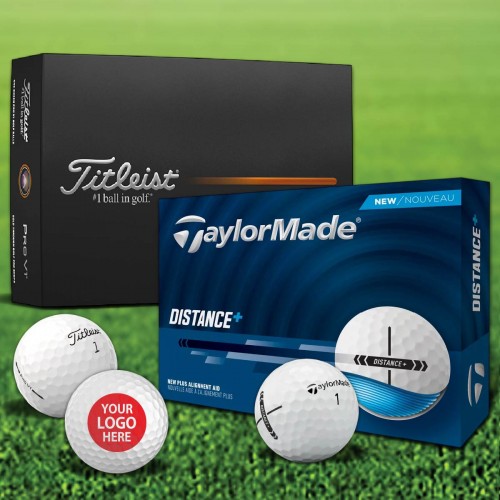
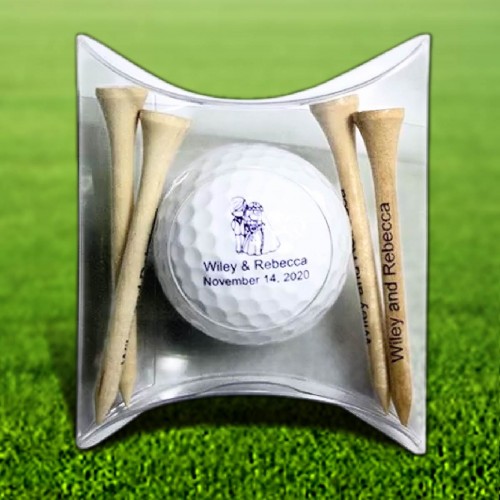
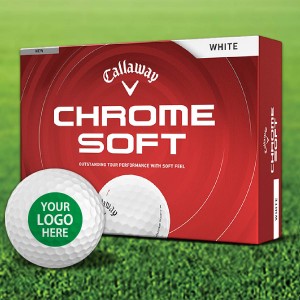
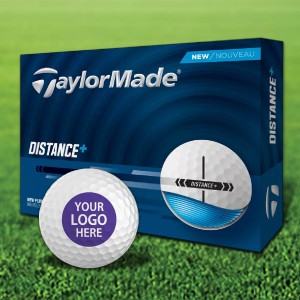
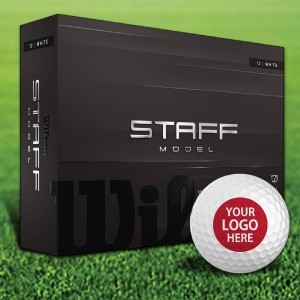
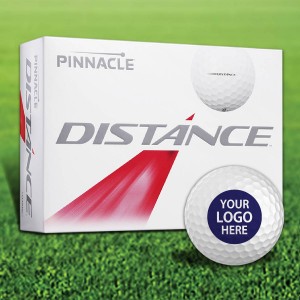
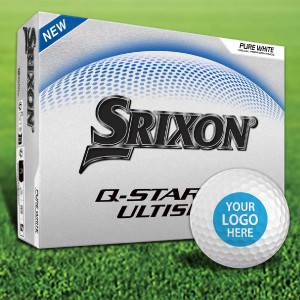
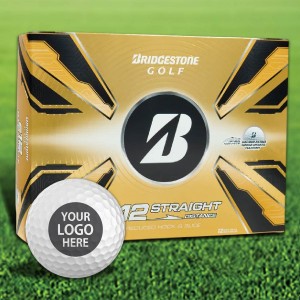
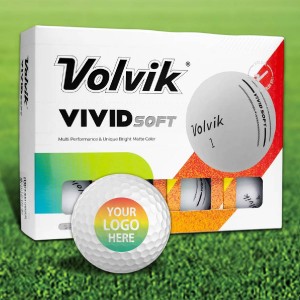
- Sleeve of logo golf balls (3 balls) — the most appreciated player gift at any golf tournament. Players use them immediately, keeping the event's name in play all day.
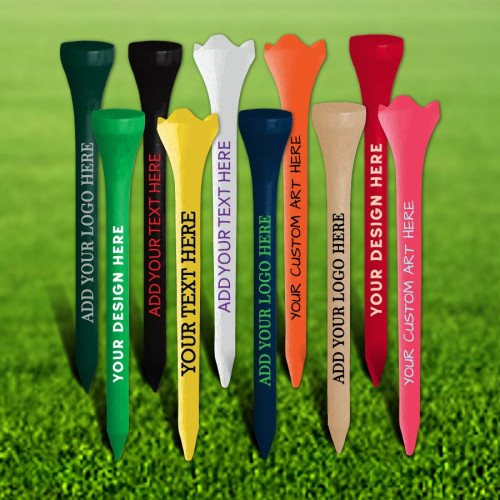
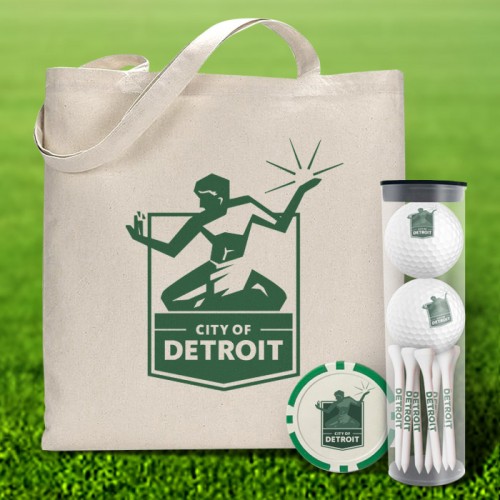
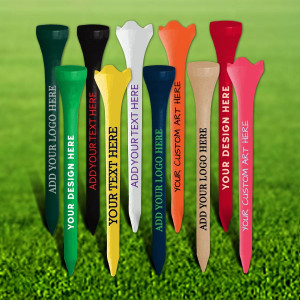
- Branded tees — 10–15 tees in a polybag or tee tube, printed with event name and date
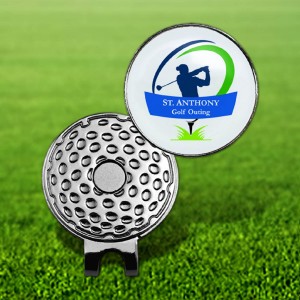
- Poker chip ball marker — full color on both sides, kept well beyond the event
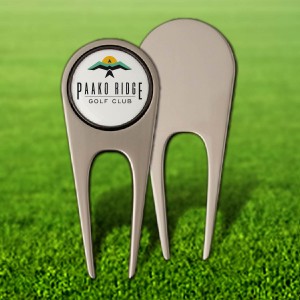
- Branded divot tool — used every round, high retention
- All presented in a branded swag bag
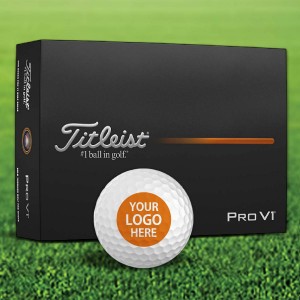
- Sleeve of Titleist Pro V1s — the signal of a high-quality event. Players remember Titleist and associate the prestige with your cause.
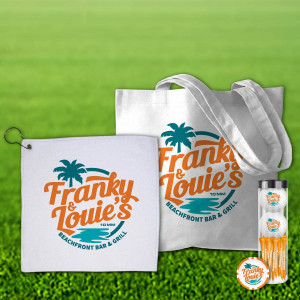
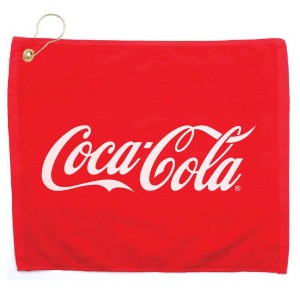
- Branded golf towel — used every round for years, the single highest-retention branded item in golf
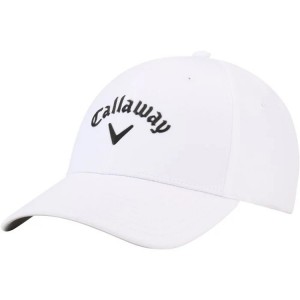
- Branded hat or visor — embroidered or printed, worn on and off the course
- Poker chip ball marker and divot tool
- Presented in a premium golf swag bag
Player Experience: The Details That Determine Repeat Attendance
Players talk about two things after a charity golf tournament: the cause and the experience. An event that's poorly organized or feels generic rarely builds a loyal repeat base. The best annual events pay close attention to these areas:
Check-In
Pre-printed cart assignment sheets with player names and team numbers eliminate check-in confusion. Separate lines for pre-registered players and day-of registrations. Have gifts staged before the first player arrives — nothing creates a worse first impression than organizers scrambling to assemble bags at the check-in table.
Pace of Play
For a 72-player shotgun scramble, budget 4.5–5 hours for 18 holes. Brief rules at the first tee — ready golf, preferred lies, and a two-putt maximum are all appropriate. Assign marshals to the historically slowest holes. Most slow play comes from groups who don't know they're slow: proactive communication solves the majority of pace issues before they start.
On-Course Games
Closest to the pin on par-3s and longest drive on par-5s are standard. A hole-in-one contest with an insured prize (insurance premiums typically start around $200–$400 for a standard event and increase with prize value and player count) adds a headline moment. Mulligans sold at registration ($5–$10 each) are pure margin. A putting contest before the round adds revenue with minimal setup. Contest prizes that double as branded keepsakes — a custom logo hat or sleeve of balls — give winners something they will actually use.
Post-Round Reception
Keep it to 60–90 minutes. Run your silent auction and raffle during dinner while scores are tabulated. Awards should be brief — announce winners, thank sponsors by name, share the total raised, and close with a specific statement about where the money goes. Emotional impact at the reception is the primary driver of repeat attendance and repeat sponsorship.
Scoring
Use a digital scoring app (GolfGenius, GHIN, or a simple Google Form fed to a spreadsheet) rather than paper scorecards. Paper at a large event creates a 30–45 minute tabulation delay after the round. Digital scoring lets you display a live leaderboard, which players check throughout the round and generates genuine excitement.
Post-Event Follow-Up
Send thank-you emails to all players and sponsors within 48 hours. Announce the fundraising total and cause impact publicly — the number gives everyone something to share. Send a "save the date" for next year's event within two weeks. These three steps cost nothing and have the highest ROI of anything you do post-event.
Seven Mistakes That Undermine Most First-Year Events
Master Planning Checklist
Use this as your running reference from kickoff through post-event follow-up.
Need Branded Products for Your Tournament?
Custom Made Golf Events has supplied custom golf accessories to charity tournaments for over 40 years — from logo golf balls and branded tees to poker chip ball markers, metal ball markers and divot tools, swag bags, and golf towels. All products include free logo setup, a free virtual proof, and production in 5–10 business days depending on item. Minimums start at 50–100 pieces — sized for a standard 72-player event.
Frequently Asked Questions
Most courses require a minimum of 36–40 players for a shotgun start. A practical first-year target is 60–72 players — enough to generate meaningful revenue, fill a course comfortably, and manage operationally without an overwhelming committee. At 72 players you have 18 foursomes, which is the standard shotgun configuration at most 18-hole courses.
A four-person scramble with shotgun start is the near-universal choice for charity events. Every player contributes regardless of skill level, rounds move quickly, and the format is inclusive enough that donors who aren't serious golfers still enjoy themselves. Avoid stroke play formats unless your entire player pool is experienced — it excludes beginners and slows the round significantly.
First-year events with 72 players typically net $5,000–$25,000 for the cause depending on registration pricing, sponsorship development, and ancillary revenue. Established annual events with strong sponsor bases and 120–144 players regularly net $50,000–$150,000. The primary driver of net revenue is sponsorship — events with strong sponsor programs consistently outperform those relying primarily on entry fees. A single title sponsor can exceed the net from all registration combined.
Include items players will use on the course that day and keep afterward. A standard bundle that works at most budget levels: a sleeve of logo golf balls (used immediately that round), printed tees, a poker chip ball marker, and a divot tool — all branded with the event name and sponsor logos. This runs $20–$35 per player and communicates professional event quality. Avoid pens, notepads, and generic promotional items that end up left in the cart.
Start with your existing network — committee members, board members, and past donors are far more likely to say yes than cold outreach targets. Build a tiered sponsorship deck that leads with cause impact and event demographics before listing sponsor benefits. Hole sponsorships ($500–$1,500) are the easiest entry point and often introduce companies to larger commitments in subsequent years. Start outreach 4–5 months before the event — most corporate budgets are allocated early.
Order 4–6 weeks before your event for most items — this covers artwork approval, production, and shipping with buffer. Poker chip ball markers and select tees ship in as few as 1–5 business days. Logo golf balls, divot tools, and most accessories run 5–10 business days standard. Titleist and premium ball brands can require 3–4 weeks during peak tournament season — order those earliest. Rush production is available on most products if your timeline is tight.
Closest to the pin on designated par-3s and longest drive on par-5s are the two universal standards — low cost, easy to judge, and consistently enjoyed. A hole-in-one contest with an insured prize adds a headline moment: insurance premiums typically start around $200–$400 for a standard event and increase with prize value and player count. Mulligans sold at registration ($5–$10 each) are pure margin. A pre-round putting contest on the practice green adds revenue with minimal setup time.
Most custom golf accessories for tournaments — tees, ball markers, divot tools, tournament packs, and swag bags — have minimums of 50–100 pieces. Logo golf balls start at 1–3 dozen on most models, with some premium brands requiring a 12-dozen minimum. Order quantities that cover your player count plus 10–15% extra for committee members, hole sponsors, and last-minute player additions.